Coding Regions of Intrinsic Disorder Accommodate Parallel Functions: A Dance of Structure and Information
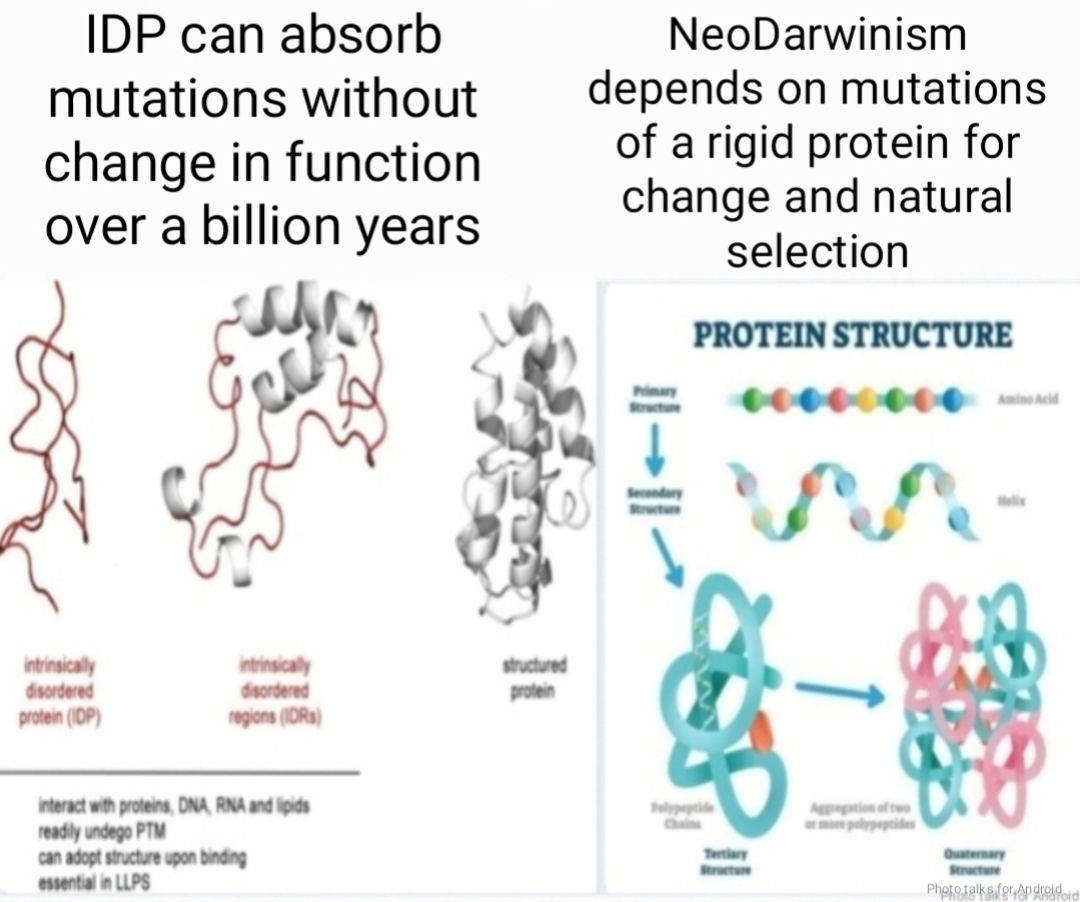
Within the intricate ballet of life, proteins play a starring role, their movements by the genetic code. But proteins are not solely actors; their sequences can hold multiple scripts, allowing them to perform parallel functions like virtuoso performers juggling melodies. And the stage for this remarkable dual act often lies within regions of intrinsic disorder (IDRs). Traditionally, proteins were viewed as rigid, well-defined structures whose every fold and turn dictated their function. IDRs, however, challenge this paradigm. Lacking strict three-dimensional shapes, they resemble flexible dancers, swaying to the music of interacting molecules. This very flexibility, once considered a handicap, is now recognized as a superpower, enabling IDRs to accommodate diverse functions within their coding sequences. The Unstructured Advantage: The absence of a fixed structure in IDRs allows them to tolerate mutations more readily than their structurally-constrained counterparts. This tolerance ope...


