Posts

Unveiling the Nuance: Contributions of Histone Variants in Nucleosome Structure and Function

Image
The intricate organization of DNA within the eukaryotic nucleus is crucial for proper cellular function. Chromatin, the complex of DNA and proteins, plays a vital role in this organization, with the nucleosome as its fundamental unit. This journal article , "Contributions of Histone Variants in Nucleosome Structure and Function," delves into the fascinating world of histone variants, exploring how these specialized proteins influence nucleosome structure and function, ultimately impacting gene regulation. The Nucleosome: The Stage for Genetic Drama The core of a nucleosome is formed by an octamer of histones: two each of H2A, H2B, H3, and H4. These core histones tightly wrap around 145-147 base pairs of DNA, forming a bead-on-a-string structure. This elegant packaging condenses the vast amount of genomic DNA within the nucleus, but it also creates a challenge: essential cellular processes like DNA replication, transcription, and repair require access t...
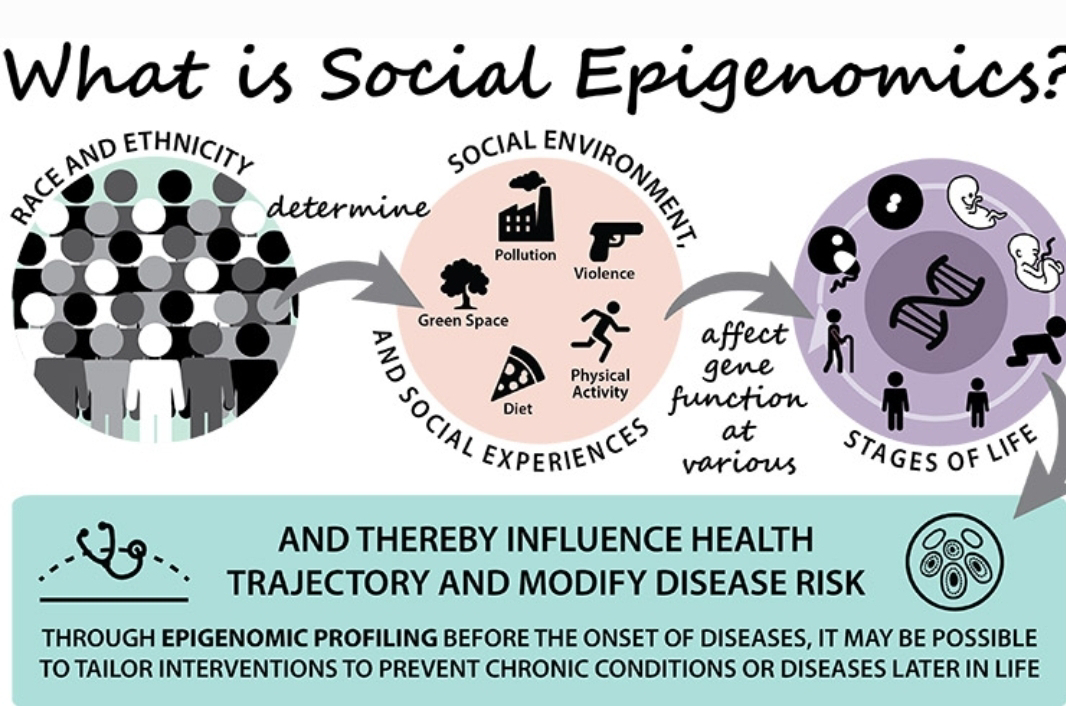
Epigenomics and Gene Regulation in Mammalian Social Systems: A Dance Between Nature and Nurture

Image
The intricate tapestry of social behavior in mammals is woven from a complex interplay between genes and environment. While DNA dictates the blueprint of an organism, recent advancements have revealed a fascinating layer of regulation – epigenetics. This field explores how the social environment can leave its mark on the epigenome, influencing gene expression and shaping behavior across generations. This essay delves into the burgeoning realm of social epigenomics , exploring how social experiences sculpt the epigenome and how these changes, in turn, modulate social behaviors in mammals. The Epigenetic Landscape: Beyond the DNA Sequence DNA, the hereditary material, carries the instructions for building and maintaining an organism. However, these instructions alone don't dictate an organism's complete story. Epigenetics adds another dimension, influencing how genes are expressed without altering the underlying DNA sequence. This layer of control is achie...

Epigenetics Drive Stickleback Evolution: Epigenetic Regulation Shapes Adaptation

Image
The process of adaptation, where organisms evolve traits suited to their environment, is a cornerstone of biology. This study , titled "Chromatin and epigenomic variation reveals the gene regulatory landscape of adaptive divergence in sticklebacks," delves into the fascinating world of gene regulation in sticklebacks, a fish species with marine and freshwater ecotypes. By analyzing these ecotypes, researchers shed light on how changes in chromatin structure and chemical modifications (epigenetics) influence gene expression and ultimately drive adaptation. The study focuses on three key areas: chromatin accessibility, epigenomic variation, and the link between these factors and gene expression. Chromatin, the tightly packed DNA within the cell nucleus, regulates access for proteins needed for gene transcription (turning DNA into RNA). Epigenetic modifications, like chemical tags on DNA, further influence this accessibility.  Researchers employed cutting...